Our Blog

The Role of Connection in Trauma Recovery: Why Safe Relationships Matter
The Role of Connection in Trauma Recovery: Why Safe Relationships Matter Trauma can change the way we experience other people. You may want closeness but find yourself pulling...

What Is Developmental Trauma and Why Is It Often Missed?
What Is Developmental Trauma and Why Is It Often Missed? Sometimes the effects of difficult childhood experiences become clearer much later in life. You may notice that conflict...

Working With the Inner Critic: A Trauma-Informed Approach
Working With the Inner Critic: A Trauma-Informed Approach When the Voice in Your Head Feels Harsh “I should be handling this better.” “Why do I always get things wrong?” “I’m...
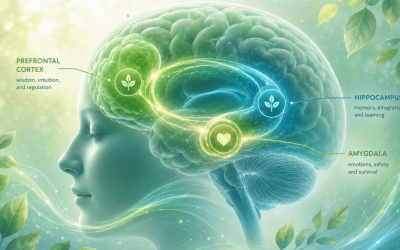
How trauma affects the brain and how EMDR therapy supports recovery
How trauma affects the brain and how EMDR therapy supports recovery Have you ever wondered why your body reacts to certain situations long after the danger has passed? Why a...

Why your survival strategies deserve more credit than they get
Why Your Survival Strategies Deserve More Credit Than They Get What if the behaviours you criticise most about yourself aren't flaws at all? When people talk about resilience, it...

The Power of Taking a Pause
The Power of Taking a Pause Why slowing down can help us move forward As we move through the middle of the year, many people begin noticing a quiet sense of fatigue settling in....

How to Know When It Might Be Time to Start Therapy
How to Know When It Might Be Time to Start Therapy Deciding whether to start therapy can feel like a deeply personal and sometimes overwhelming question. Many people wonder if...

ADHD Assessments: Should You See a Psychiatrist or Psychologist?
Understanding ADHD assessments in Australia can feel confusing, especially when deciding whether to see a psychologist or psychiatrist. This guide explains the key differences, what to expect from an adult ADHD assessment, and how to choose the right support based on your needs, including whether medication is part of your plan.

EMDR Therapy for Intergenerational and Attachment Trauma
Intergenerational and attachment trauma can shape how we experience relationships, safety, and emotional regulation often in ways that began long before us. EMDR therapy offers a structured, evidence-based approach to gently process inherited patterns and early relational wounds, supporting healing across generations.

Low-Cost Counselling Options in Melbourne
Looking after your mental health matters, but we know the cost of counselling can sometimes feel like one more hurdle. A lot of people who come to Mindful Living tell us they’d love to get support but worry about how they’ll afford it. We believe everyone should have access to quality support, regardless of their financial situation.

Resilience Isn’t About Being Tough
Resilience isn’t about pretending you’re okay when you’re not. It’s not about bouncing back quickly or staying positive all the time. Real resilience is about being honest with yourself, recognising your limits, and still showing up in the ways that matter.

How Group EMDR Supports Therapist Wellbeing and Clinical Confidence
While EMDR is traditionally offered one-on-one, group EMDR is emerging as a powerful format—especially for therapists themselves. We’ve developed a Group EMDR Program designed to support EMDR-trained clinicians with a safe, structured space to reflect, process, and reconnect with their practice. This blog explores how group EMDR works, why it’s relevant for therapists, and what participants can expect.

Trauma Awareness – Understanding the Invisible Wounds
Trauma is often hidden in plain sight. Its effects may not always be visible, but they can deeply shape how a person experiences the world.

How Our Thinking Shapes Our Everyday Experiences
Ever catch yourself thinking, “I’m just not good at this”? That’s a fixed mindset at play. A growth mindset, by contrast, is the belief that we can learn and improve with time and support. In this post, we explore how our mindset shapes the way we face challenges—and how small shifts in self-talk can make a big difference in how we grow.

Embracing Self-Compassion: A Kinder Way to See Yourself
Self-compassion doesn’t mean ignoring your struggles or avoiding responsibility. It just means recognising that nobody’s perfect – and that you deserve kindness, too.

Start Your Year Mindfully: The Power of Intentions
Discover the power of starting your year mindfully. Explore a compassionate approach to personal growth, including choosing a guiding ‘word of the year’ to align your actions with your values.

The Benefits of Therapy for Therapists
As therapists, we dedicate our lives to helping others navigate the complexities of life. But how often do we extend that same care and compassion to ourselves?

Creating a neuro-affirming space for healing
Mindful Living creates a neuro-affirming space where neurodivergent individuals feel seen, respected, and supported. Learn about our adapted EMDR therapy and stigma-free approach to healing.

Supporting Gender Diversity with Affirming Care
Discover how Mindful Living provides trauma-informed, gender-affirming EMDR therapy tailored to support gender-diverse individuals. Learn more about our inclusive approach and compassionate care.

Private Practices Vs Crisis Services: Where to get help
At Mindful Living, we’re here to support you on your journey to better mental health. Whether it’s working through trauma, managing anxiety, or navigating emotional challenges, our team is dedicated to helping you over the long term. However, it is important to know that private practices like ours aren’t equipped to handle emergencies or crisis situations.

10 Tips for Supporting Kids Mental Health at Home
Kids face a lot these days – between school, friends, and the digital world, it’s easy for them to feel overwhelmed. Here are ten ways to support your kid’s mental health and help them feel confident and resilient.

The Five Best Resources for Strong Relationships
Maintaining a strong, healthy relationship is a journey that requires intentional effort, understanding, and the right resources. Whether you’re navigating challenges or simply looking to deepen your connection with your partner, the following books and websites offer invaluable insights. These resources can guide you through various aspects of relationship-building, from emotional intimacy to effective communication.

Exploring Intensive EMDR Therapy
The landscape of trauma therapy has recently seen a surge in interest toward Intensive EMDR, and the reasons behind this trend are compelling and filled with hope. The outcomes from Intensive EMDR interventions often surpass expectations, sometimes achieving progress equivalent to several months of standard EMDR therapy in a condensed timeframe.

Group EMDR: Surprising Paths toTherapeutic Transformation
Experience the power of Eye Movement Desensitisation and Reprocessing (EMDR) in a group setting. Our program is affordable and accessible. Plus, it includes ten Medicare rebates under a mental health care plan from a GP.

The Role of EMDR in Addressing Recent Traumatic Events
In today’s fast-paced world, individuals often find themselves confronting unexpected and challenging situations that can lead to trauma. Whether it’s a natural disaster, a personal loss, or witnessing a distressing event, the psychological impact can be profound and long-lasting.

A Hakomi Perspective on Metal Health Awareness
Hakomi is a mind-body psychotherapy that takes a holistic perspective on emotional and mental well-being. There are key underlying principles to the Hakomi framework that can provide a unique perspective on mental health awareness. These are: Mindfulness, Unity, Non-Violence, Mind-Body Holism, and Organicity.

Therapy without Borders: Accessing EMDR Therapy Anywhere in Australia
In the expansive and diverse landscapes of Australia, the need for accessible and effective mental health care knows no bounds. From the remote reaches of the Outback to the bustling streets of Sydney, Adelaide, Darwin, Perth, Canberra, Tasmania and Melbourne, Mindful Living is committed to bridging the gap, ensuring that high-quality therapy is available to everyone, everywhere.

Enhancing Relationships: The Gottman Method of Couples Counselling
Discover the transformative Gottman Method of couples counselling and learn how building love maps, nurturing fondness, and turning toward each other can revitalise your relationship. Explore the keys to fostering emotional intimacy and effective communication while gaining insights into overcoming destructive behaviours.

Effective EMDR Therapy for Children: Processing Trauma and Building Resilience
Discover how EMDR therapy offers a safe and creative approach for children to process trauma, anxiety, and distress. Learn how our Child EMDR Therapists adapt techniques, engage with play therapy, and involve parents to support your child’s healing journey.

Discover Family Therapy at Mindful Living
At Mindful Living, we offer family therapy as part of trauma recovery. Learn how family therapy can help heal from past events, build secure relationships, and communicate about difficult topics.

Recommendations for Online EMDR Therapy
Online EMDR Therapy is a wonderful option for most people. This article describes both the basic requirements needed for successful online EMDR therapy, along with some additional things to consider to optimise your experience.

Emotionally Focused Therapy for Couples
Our couple therapist Rosemary has been working with couples since 2009 and uses a powerful, evidence-based model called Emotionally Focused Therapy (EFT). EFT is considered the gold standard approach for therapy for couples.

Trauma and ADHD: How they Overlap
Living with trauma can feel very similar to living with ADHD. There are many symptoms shared by both disorders, including difficulty with concentration, memory problems, impulsive/reckless behaviour, difficulty sleeping, overactivity, and substance abuse. Furthermore, responses to trauma are sometimes mistaken for signs of ADHD.

I Don’t Have anything to Talk About in my Session
Some of us may feel like we only need therapy when something stressful or upsetting has occurred, and we are in crisis. After receiving such support, we start to feel better, and it is easy to simply say “I don’t need therapy anymore”.

I’m Too Busy or Stressed for my Therapy Session
Life can be super busy – with work, study, socialising, relationships, and family commitments – it can often feel impossible to make time for yourself. When you are juggling multiple responsibilities, you may think there’s no room in your schedule to squeeze in therapy.

ANIMAL ASSISTED THERAPY
Animal-Assisted Therapy (AAT) is essentially therapy with an animal present. That animal may play a significant role in therapy or just be there as a calming and enjoyable presence.

UNDERSTANDING EMDR THERAPY
EMDR is a treatment that utilises bilateral stimulation to activate the brain to resolve ‘stuck’ traumatic memories. In a sense, EMDR ‘kick-starts’ the brain’s natural healing process and gets it going again.

GROUNDING TECHNIQUES
Grounding is a set of strategies to help you get anchored in the present moment. As a trauma survivor, it is common to experience memories, flashbacks and nightmares that can make you feel like the trauma is happening all over again.

ONLINE EMDR THERAPY
Some people feel apprehensive about doing therapy online, which is completely understandable. The great news is that with a few adjustments and clever use of technology, EMDR Therapy can be safely and effectively delivered online.

4 STEPS TO HELP YOU BE CALM
We all get stressed and anxious at times. It can be very helpful to have some go-to strategies to support us in these moments. Here are some ideas to support yourself to settle when you feel overwhelmed, stressed or anxious. With practice and patience with yourself, it gets easier!

HELPFUL MINDFULNESS STRATEGIES
Mindfulness involves non-judgementally paying attention to what we are experiencing in the present moment. This might involve following our breath going in and out, listening to the sounds around us, or noticing our feet on the floor.

TIPS TO MANAGE PANIC ATTACKS
A panic attack is a sudden and unexpected surge of physiological arousal that can occur unexpectedly or in response to encountering or thinking about a scary situation. They can be very unpleasant, but there are some helpful strategies to manage them.

DO YOU LOVE YOURSELF?
The way that we treat ourselves impacts on the way that we feel and how we treat others. Take a look at our strategies to help you develop some self love. Click the button at the bottom of the post to download our helpful PDF version of these steps.

TOP TIPS TO REIN IN A WANDERING MIND
Do you struggle to stay focused at times? We have put together a few tips to help you keep your mind on the task at hand. Click the button at the bottom of the post to download our helpful PDF version of these steps.

MANAGING NIGHTMARES AND FLASHBACKS
Nightmares and flashbacks are a common response to traumatic or stressful life events. They can be a very unsettling and cannot always be predicted. Good news though – we can learn strategies to manage them.