Availability for new clients
03 9688 8049 | info@mindfulliving.com.au

Availability for new clients
03 9688 8049 | info@mindfulliving.com.au

Availability for new clients
03 9688 8049 | info@mindfulliving.com.au
Availability for new clients
03 9688 8049 | info@mindfulliving.com.au
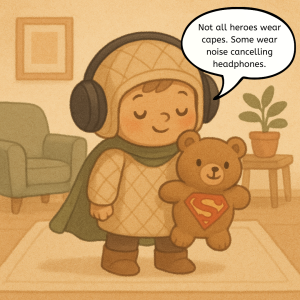
We know that sound can be overwhelming, especially in busy spaces,
so we keep our reception calm and quiet,
and we’re always welcoming of whatever sensory supports help you feel safe.
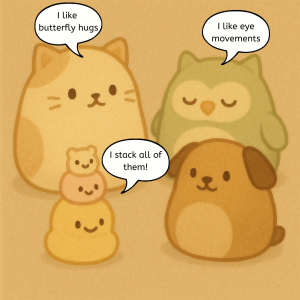
In EMDR therapy, there’s no one-size-fits-all when it comes to Bilateral Stimulation (BLS).
Whether it’s taps, tones, or eye movements — or all of them stacked like a squishmallow tower,
we work with each client to find the right fit for their unique nervous system.
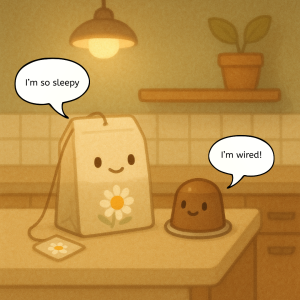
We get that everyone walks through our doors with a different energy.
Some are wired, some are weary — and some are both before 10am.
We offer a range of warm drinks and a welcoming space, no matter your pace.
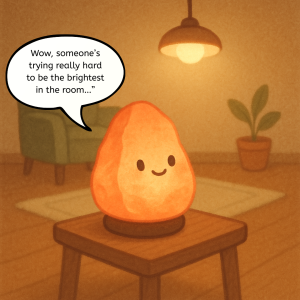
You won’t find any harsh fluorescent lights here.
Every therapy room is softly lit, with warm lamps creating a calm and inviting space.
Because comfort starts with the little things — even lighting.