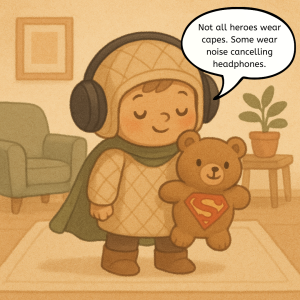
TRAUMA AWARENESS – UNDERSTANDING THE INVISIBLE WOUNDS

Trauma is often hidden in plain sight. Its effects may not always be visible, but they can deeply shape how a person experiences the world. Whether it’s the result of childhood experiences, loss, accidents, violence, or systemic injustices, trauma can leave lasting imprints – on the body, the mind, and the nervous system. For many, these effects linger long after the actual event, making everyday life feel more difficult, unpredictable, or unsafe.
How Trauma Shows Up in Everyday Life
One of the reasons trauma can be so challenging to recognise is that its signs don’t always appear as distress. Instead, they may show up as subtle patterns in how someone thinks, feels, or behaves. For example, withdrawal from relationships, heightened startle responses, trouble concentrating, or emotional numbness may be protective responses rather than personal weaknesses. These behaviours often form as adaptive ways to cope with overwhelming stress – particularly when there wasn’t enough support at the time the trauma occurred.
More Than Just a Psychological Response
Trauma is not just something that happens to us; it becomes something our body and brain adapt to. It can affect emotional regulation, memory, sleep, and how connected or disconnected we feel from others. This is why some people live with the effects of trauma for years – sometimes decades – without knowing that what they’re experiencing is trauma-related. Instead, they may blame themselves for “not coping well enough” or feel confused about why they’re struggling with things others seem to manage easily.
The Power of Awareness and Compassion
Raising trauma awareness is about more than understanding symptoms – it’s about creating space for empathy and safety. It invites us to look beyond the behaviour and consider the story underneath. It’s the difference between seeing someone as “difficult” and recognising they may be doing their best with what they’ve had to carry.
When we take a trauma-informed approach, whether in therapeutic work, relationships, workplaces or communities, we shift from judgment to curiosity. We ask, “What might this person have been through?” rather than “Why are they acting like this?” That small change in perspective can make a meaningful difference. It helps reduce stigma and opens the door for genuine connection and support.
A Safe Place to Begin
If this resonates with you – or with someone you care about – please know you’re not alone. At Mindful Living, we offer support grounded in compassion, respect, and trauma-informed care. Whether you’re exploring EMDR therapy or simply looking for a safe space to talk, we’re here to walk alongside you.
You’re welcome to reach out for a confidential conversation on (03) 9688 8049.